

Why Powder Coating Is Often Chosen Over Traditional Paint Methods
Metal finishing plays a fundamental role in protecting and enhancing metal surfaces across automotive, commercial, and industrial projects, with powder coating gaining widespread preference over conventional liquid paint. Traditional liquid paints rely on multiple wet coats and volatile chemical solvents that evaporate during drying, leaving behind thin films that remain vulnerable to chipping, cracking, and premature peeling under severe environmental exposure. Modern finishing applications require robust durability, seamless surface coverage, and clean operational practices to meet rigorous industry demands. Consequently, property owners, vehicle restorers, and equipment operators select dry electrostatic finishes to safeguard their valuable investments and maintain structural integrity.
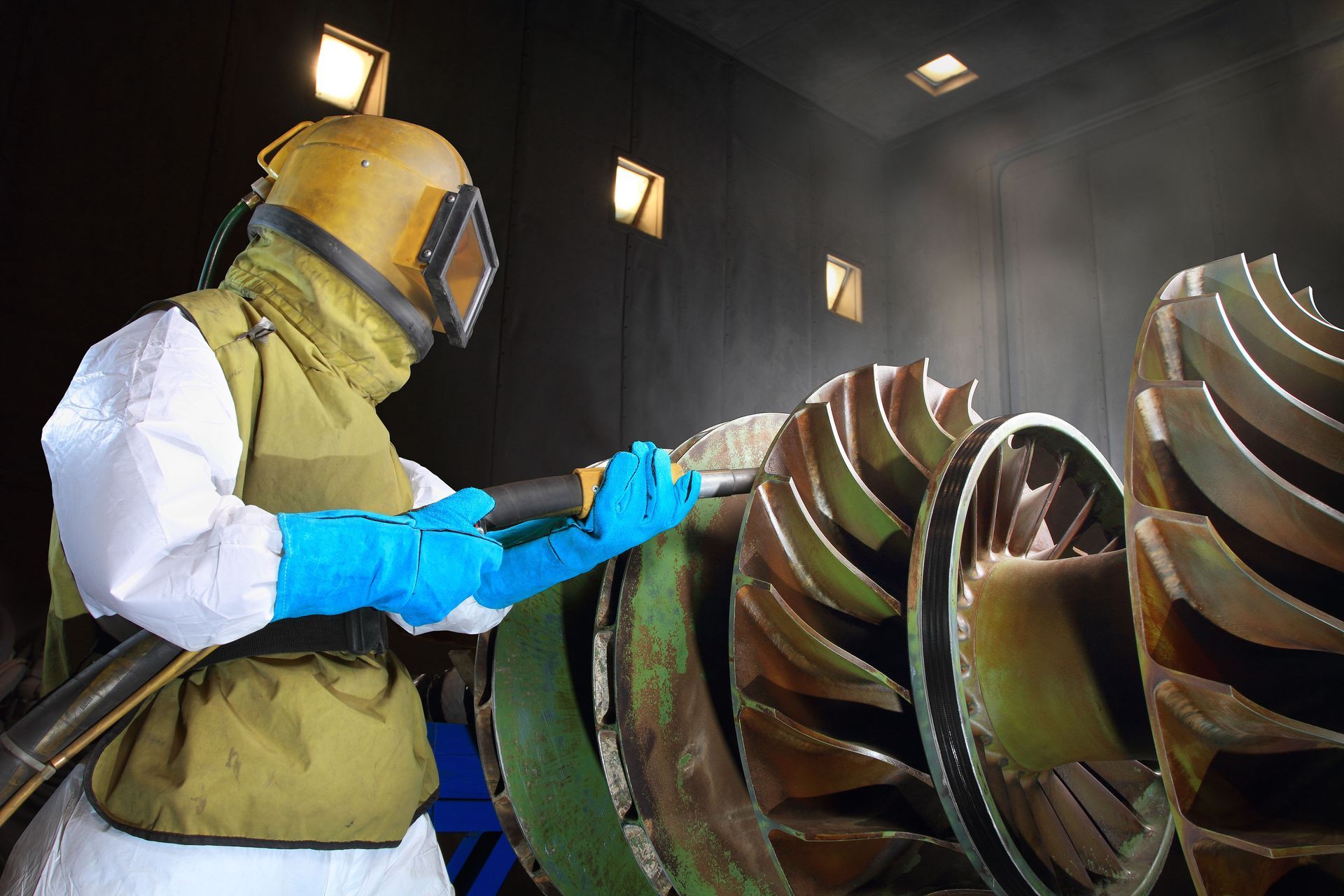
Proper surface preparation, such as professional sandblasting, strips away old paint layers, heavy rust deposits, and surface contaminants to prepare raw metal for electrostatically applied finishes. By creating a thoroughly clean, uniformly etched foundation, dry resin particles bond tightly to substrate surfaces prior to thermal curing. This thermal curing stage cross-links dry particles into a continuous, flexible shield across intricate geometries, vehicle wheels, structural frames, and heavy machinery components. Understanding the distinct protective and operational advantages of this method helps businesses and vehicle owners choose the most reliable finishing solution for their specific operational needs.
Minimize Environmental Impact in Finishing Operations
Selecting powder coating over standard liquid finishes reduces environmental impact throughout the application cycle. Liquid finishes depend on volatile organic compounds and hazardous solvent carriers that evaporate into the surrounding atmosphere during application and drying processes. These chemical emissions contribute to air pollution and necessitate complex ventilation and filtering equipment within production facilities. In contrast, dry finishing applications utilize solid resin particulates containing zero volatile solvents, reducing chemical emissions in shop environments and surrounding communities.
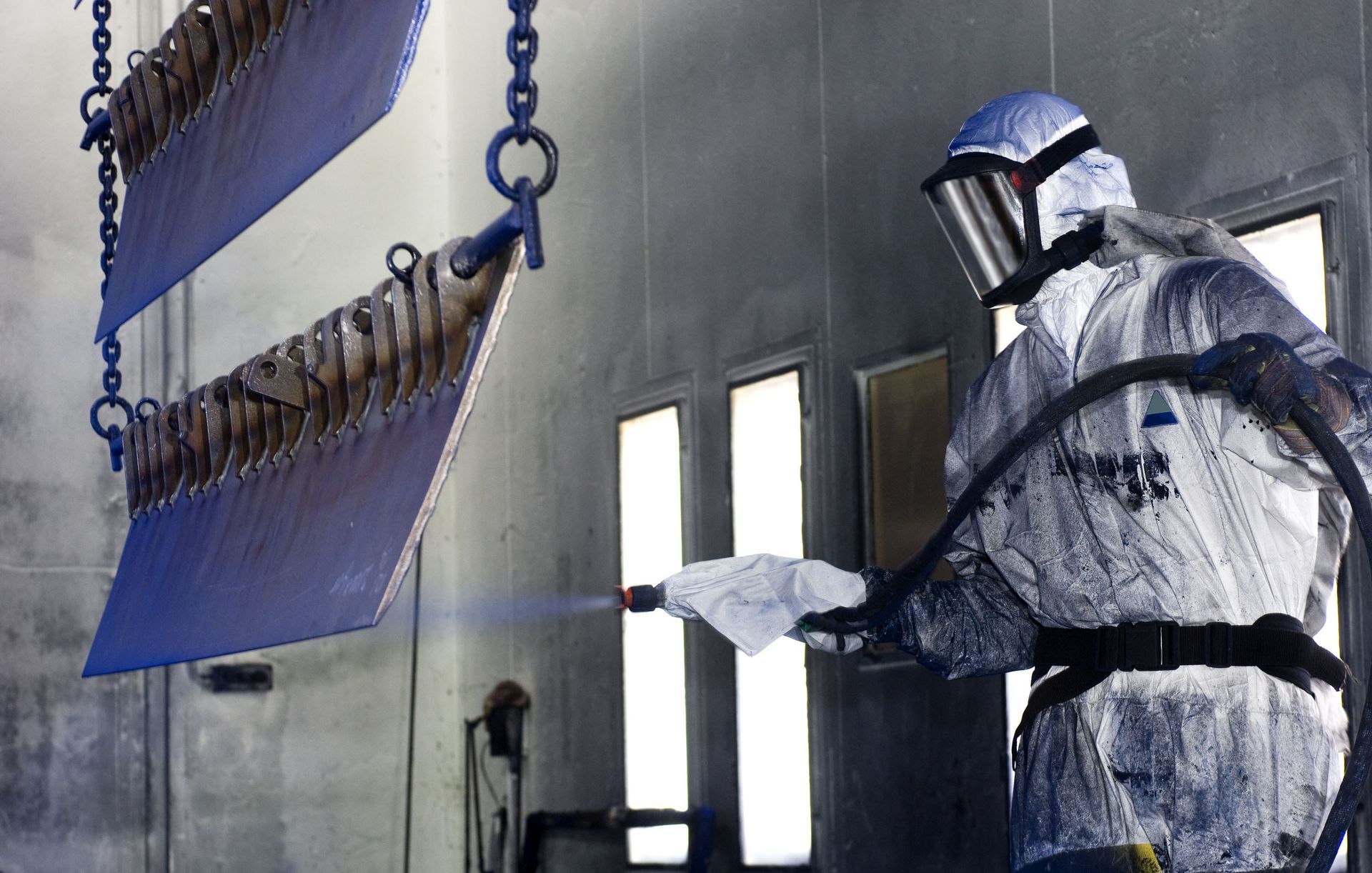
Solid material application also generates less hazardous waste compared to wet spraying methods. Liquid paint overspray often settles as tacky chemical sludge that requires specialized disposal procedures to prevent ground contamination and water pollution. Solid particulate overspray collects cleanly as dry material that can be captured within enclosed filtration systems. Lowering air emissions and hazardous waste generation aligns commercial finishing operations with strict environmental standards while maintaining a clean, safe workspace for finishing technicians and operators.
Enhance Durability and Surface Longevity
Superior resilience remains a primary factor driving the adoption of powder coating for heavy equipment and vehicle components. Thermal curing melts dry resin particles into a unified, high-density layer that adheres firmly to properly prepared metal surfaces. This dense protective layer demonstrates exceptional resistance to scratching, chipping, impact abrasion, and daily wear, outperforming traditional wet paint coats. Automotive rims, motorcycle frames, structural brackets, and heavy machinery benefit directly from this rugged protection, retaining structural integrity under demanding field conditions.
Protection against moisture and corrosive elements provides another significant performance benefit for outdoor metal fixtures and vehicle undersides. Moisture can penetrate thin liquid paint layers, leading to hidden rust formation and eventual coating failure. Heat-cured finishes form an impervious barrier that prevents moisture, road salts, and harsh industrial chemicals from reaching underlying metal surfaces. Excellent resistance to ultraviolet radiation prevents color fading, surface chalking, and gloss degradation, ensuring outdoor structures and custom auto parts maintain their original finish for prolonged periods.
Optimize Operational and Material Efficiency
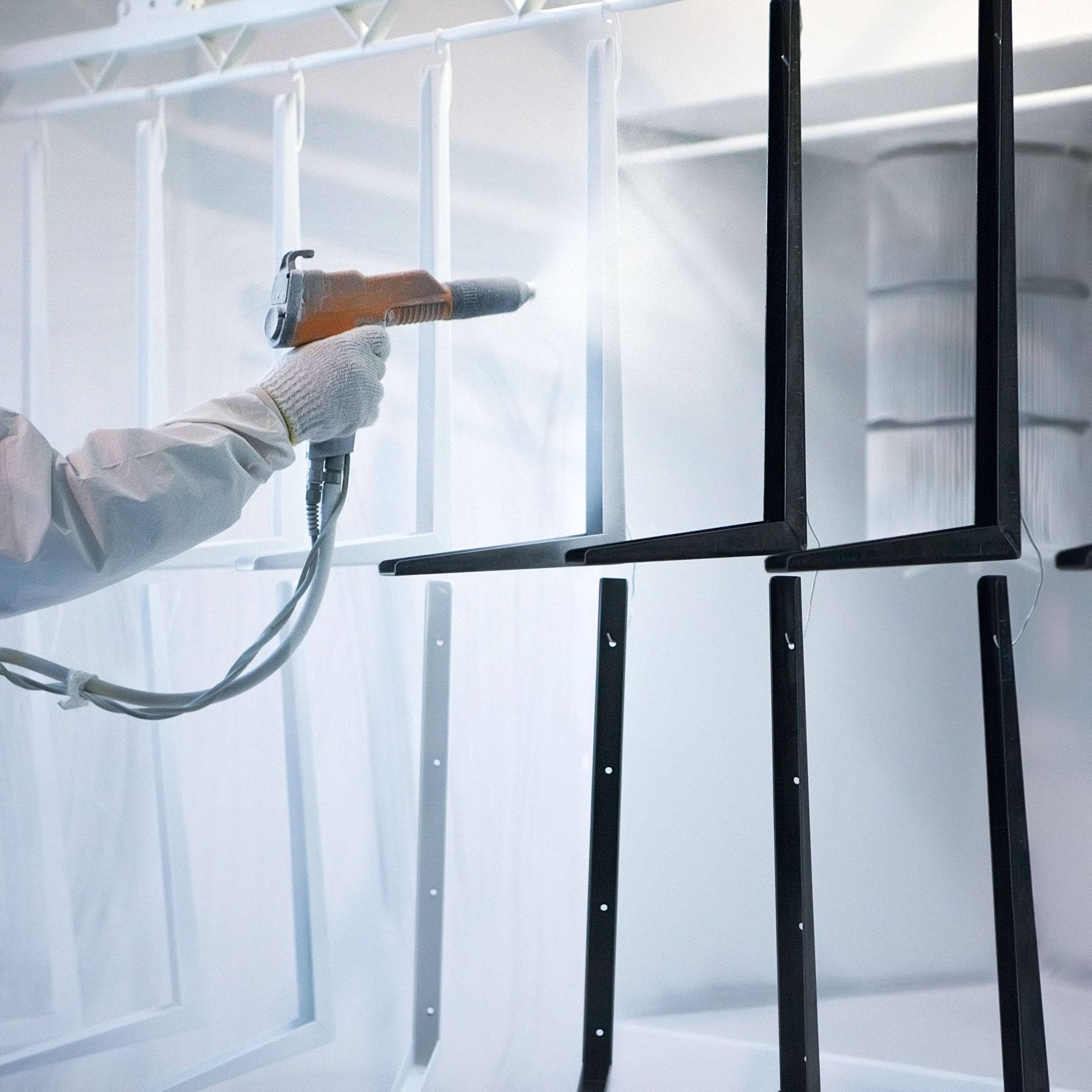
Operational efficiency increases when facilities utilize dry resin finishing to streamline production workflows. According to Fortune Business Insights, executing powder coating requires a two-step process, while recovering oversprayed material works best during runs using one or two primary colors. By applying dry particles in a single unified application before moving directly to heat curing, finishing operations eliminate lengthy drying intervals required between multi-coat wet paint applications. Faster processing times allow shop technicians to complete complex projects promptly without compromising finish quality or structural protection.
Reclaiming oversprayed material reduces raw material waste during high-volume production runs. Unused liquid paint dries on spray booth walls and exhaust filters, rendering it unusable for future finishing tasks. Solid particulate matter can be collected directly from spray enclosures and returned to application hoppers, maximizing raw material utilization across production batches. This closed-loop recovery capability minimizes material loss while maintaining high finishing standards across commercial, industrial, and custom automotive projects.
Provide Versatility Across Diverse Substrates
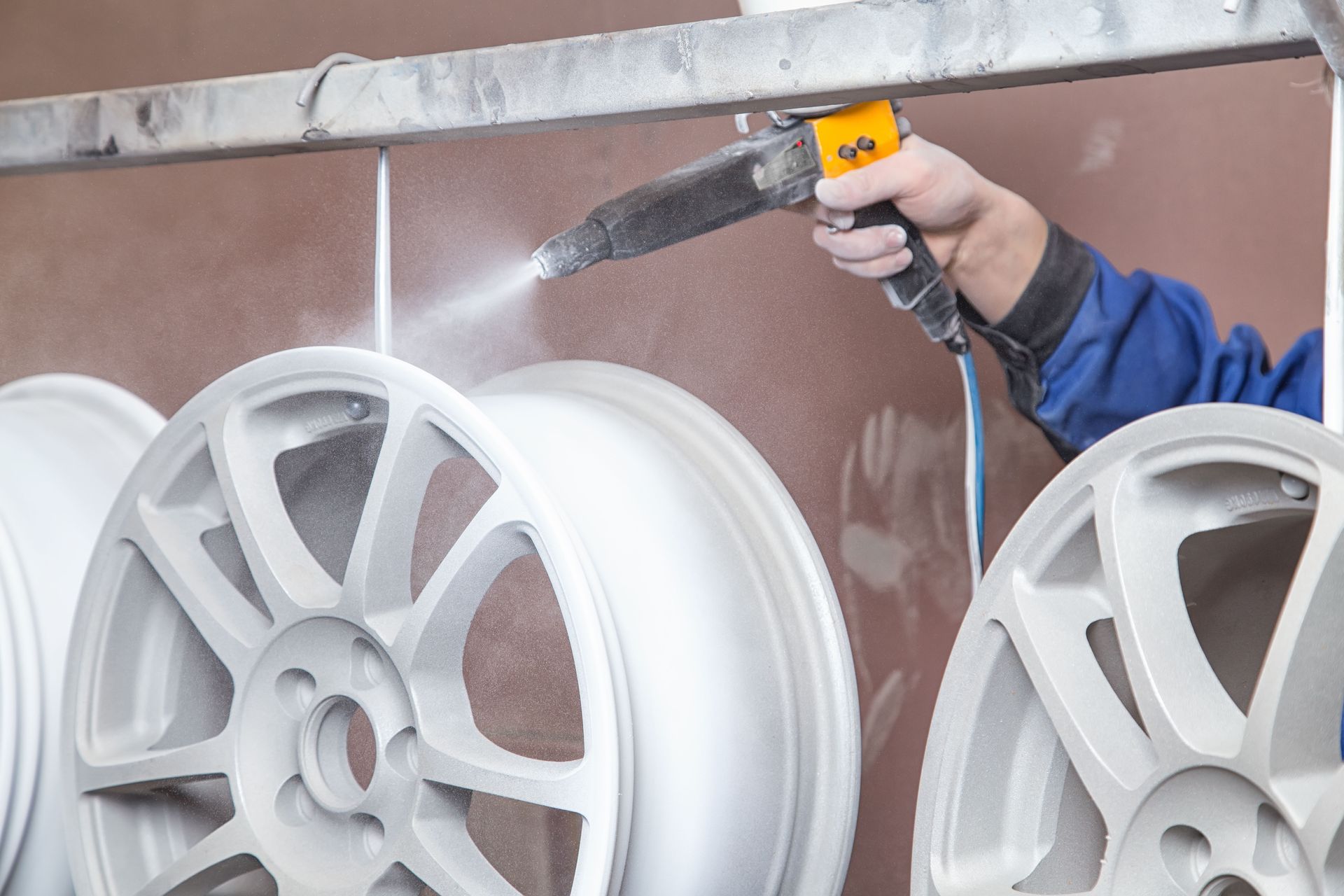
Versatility across diverse surface materials gives powder coating a clear edge over liquid alternatives. High-grade metallic components like aluminum, steel, brass, cast iron, and copper accept electrostatically charged particles with ease, provided surfaces undergo thorough cleaning and sandblasting. Whether finishing lightweight aluminum automotive rims or heavy structural steel machinery, the application process delivers uniform thickness across complex contours, sharp edges, and recessed areas where liquid paint runs, drips, or sags.
A wide selection of decorative finishes and custom textures allows designers and vehicle builders to achieve precise aesthetic goals. Finishes range from high-gloss piano black and subtle satin sheens to textured metallic surfaces, clear protective topcoats, and vibrant custom colors. Custom automotive builds, industrial equipment housings, and architectural ironwork benefit from multi-stage finishes that deliver visual depth alongside robust protective qualities. This aesthetic flexibility makes dry electrostatic finishing suitable for diverse functional and decorative applications.
Improve Health and Safety Standards
Workplace health standards improve when shops transition to powder coating operations. Standard wet painting involves handling toxic liquid solvents that present respiratory hazards and skin irritation risks for application technicians. Eliminating liquid solvents removes harmful chemical vapors from shop air, reducing worker exposure to airborne toxins during spraying tasks. Maintaining clean booth environments creates a healthier working atmosphere with minimal chemical fumes and reduced health hazards for shop personnel.
Fire hazard reduction represents another vital safety advantage in commercial facility management. Liquid paint systems rely on flammable solvents that create combustible atmospheric risks near application zones and storage cabinets. Dry resin formulations carry a lower risk of ignition, reducing safety hazards within active production shop environments. Simplified personal protective equipment requirements improve movement and overall comfort for finishing technicians, fostering a safe and productive workspace.
Adopt Modern Curing and Finish Techniques
Modern curing advancements continue to enhance the performance of powder coating applications. Advanced thermal curing ovens ensure uniform heat distribution across large metal items and heavy structural frames, promoting complete resin cross-linking. Faster thermal response times conserve energy while establishing a durable molecular bond across treated metal surfaces. These refined processing techniques ensure consistent finish quality across every production batch, from small custom auto brackets to massive industrial equipment assemblies.
Enhanced formulation chemistry expands the performance properties of dry electrostatic finishes. Modern resin formulas feature improved flow characteristics that eliminate surface imperfections during the melting phase, resulting in smooth, flawless surface finishes. Advanced corrosion inhibitors and ultraviolet stabilizers integrated directly into dry formulas extend surface protection against harsh weather exposure. These technological developments keep dry electrostatic finishing at the forefront of modern surface treatment solutions.
Choosing dry electrostatic methods provides lasting durability, broad versatility, and clean operational benefits across surface finishing projects. From automotive parts and custom vehicle rims to heavy industrial machinery and commercial metal structures, dry electrostatic finishes deliver protection against corrosion, abrasion, and environmental wear. Eliminating volatile solvents and reclaiming oversprayed material supports clean shop environments while optimizing workflow efficiency across application cycles.
Proper surface preparation combined with thermal curing ensures that treated metal components retain their strength and visual appeal over time. Whether restoring custom auto components or protecting commercial machinery, selecting high-performance dry finishes ensures long-term performance without environmental or operational drawbacks. Reach out to our team at K & S Powder Coating to discuss your metal finishing needs and request a free estimate today.
Share On: