

What Sandblasting Is and When You Actually Need It
Many surfaces gradually accumulate layers of paint, rust, corrosion, grime, and other contaminants that can be difficult to remove with ordinary cleaning methods. Property owners, manufacturers, contractors, and vehicle owners often encounter situations where a surface must be stripped and restored before refinishing can begin. One of the most effective methods for accomplishing this task is sandblasting. This process uses abrasive media propelled at high speeds to remove unwanted materials and prepare surfaces for coatings or repairs.
While the technique has been used for generations, many people are unsure when it is truly necessary and when other cleaning methods may be sufficient. Understanding how the process works can help individuals make informed decisions about maintenance and restoration projects. It can also prevent unnecessary expenses by identifying situations where abrasive cleaning provides the greatest value. Learning the appropriate applications of this method is the first step toward achieving better and longer-lasting results.
Understanding How the Process Works
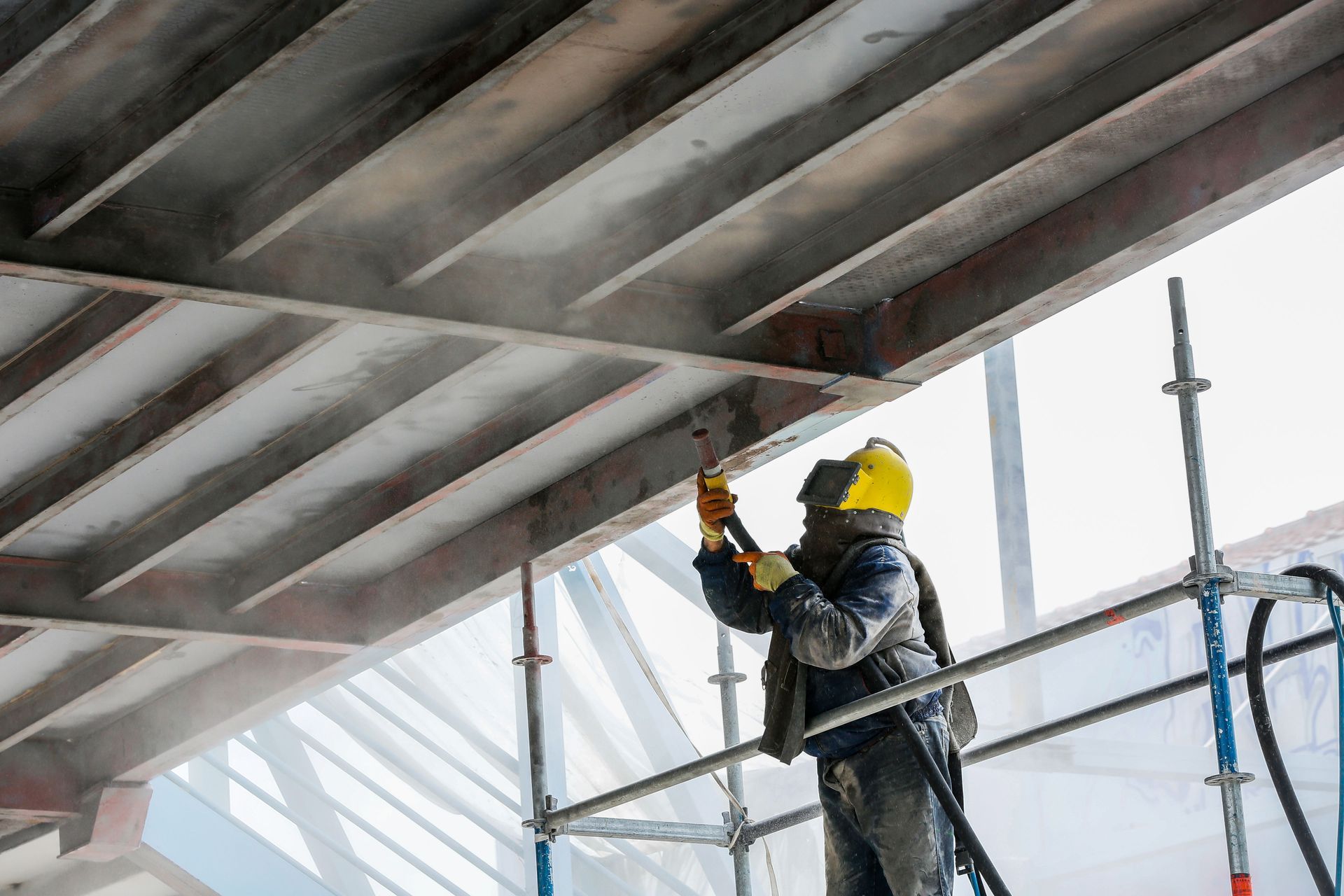
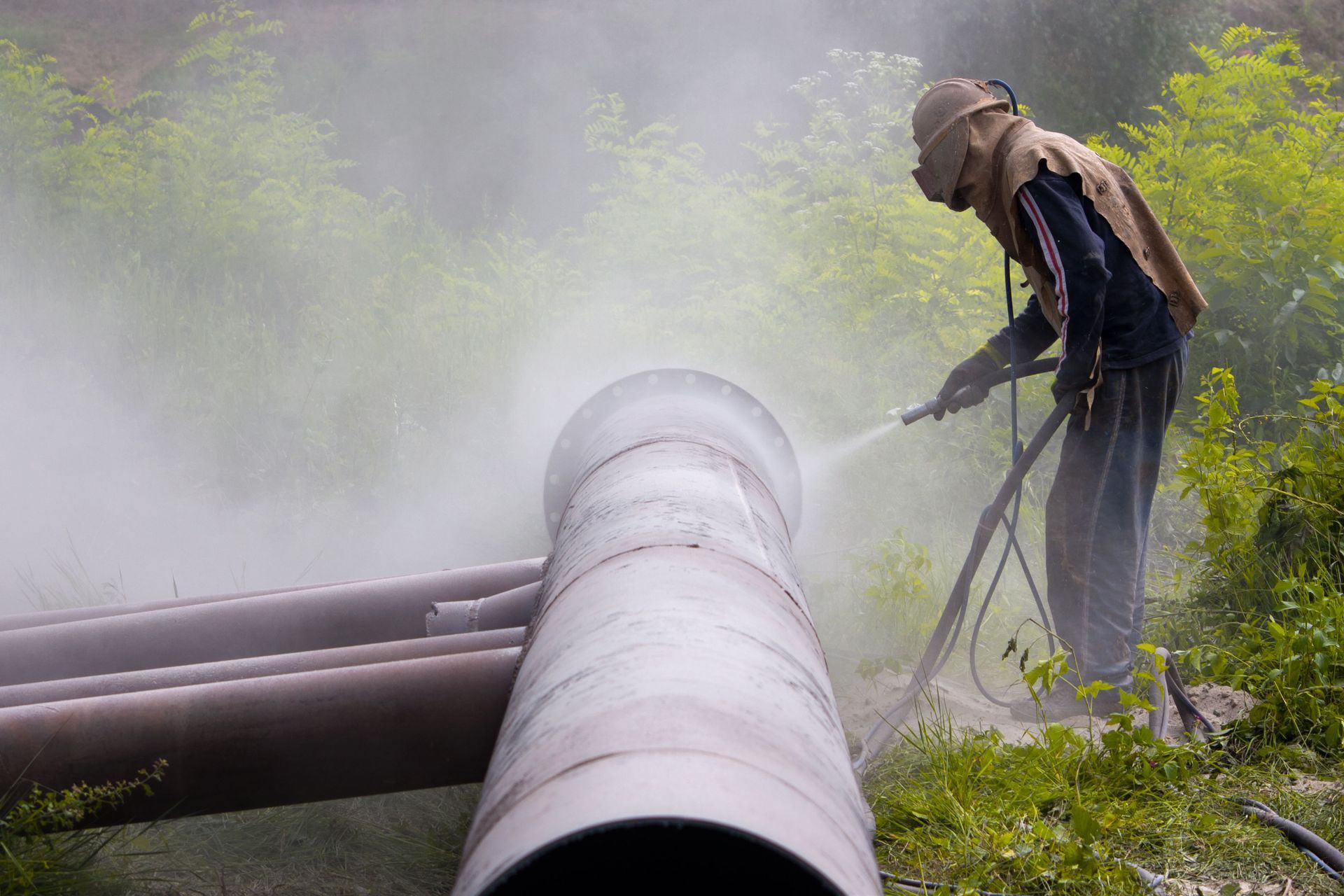
The process involves directing abrasive particles toward a surface using specialized equipment designed to generate significant force. As the particles strike the material, they remove contaminants, coatings, and imperfections from the exterior layer. The level of abrasion can be adjusted depending on the material being treated and the desired outcome. Different media options may be selected to achieve aggressive removal or more delicate cleaning.
According to Fractory, the origins of this technique trace back to observations made in the 1870s regarding how wind-driven sand affected desert windows, which later inspired a patented industrial process. Over time, advancements in equipment and abrasive materials have improved both precision and efficiency. Modern applications allow operators to clean surfaces thoroughly while maintaining control over the depth of material removal. Because of this versatility, sandblasting remains a widely used solution across numerous industries.
Removing Rust Before It Spreads
Rust is one of the most common reasons people seek professional surface preparation services. Once corrosion begins, it can continue spreading beneath paint and coatings, causing increasing damage over time. Surface rust may appear minor at first, but ignoring it often leads to more extensive deterioration. Removing corrosion completely requires more than simply sanding visible spots or applying paint over affected areas.
The underlying oxidation must be eliminated to create a stable foundation for future protection. Professional sandblasting can reach uneven surfaces, corners, and crevices where rust frequently develops. By removing contaminants to clean metal, the process helps prevent recurring issues after refinishing. This makes it a practical choice for industrial equipment, automotive components, metal structures, and many other applications exposed to moisture and environmental conditions.
Preparing Surfaces for New Coatings
Many coating failures occur because surfaces were not adequately prepared before application. Paint, powder coatings, and protective finishes depend on proper adhesion to achieve durability and longevity. Existing coatings, grease, oxidation, and debris can interfere with this bond and reduce performance. Thorough preparation creates a clean texture that allows new finishes to attach more effectively.
Sandblasting is often selected because it not only removes unwanted materials but also creates an ideal surface profile. This textured finish helps coatings grip the substrate more securely and evenly. Proper preparation can reduce peeling, cracking, blistering, and premature wear after installation. As a result, many manufacturers and restoration professionals consider surface preparation one of the most important stages of any refinishing project.
Restoring Older Equipment and Structures
Older equipment and structures often develop multiple layers of paint, corrosion, and environmental buildup over years of use. These accumulated materials can hide damage and make inspections more difficult. Restoration projects typically begin with a thorough cleaning process that exposes the original substrate underneath. Removing old coatings allows technicians to identify structural concerns that might otherwise remain concealed.
Sandblasting provides an efficient way to strip surfaces without relying solely on chemical removers or labor-intensive scraping methods. Once the material has been cleaned, repairs and refinishing can proceed with greater accuracy. This approach is commonly used on machinery, fences, railings, trailers, agricultural equipment, and architectural metalwork. Restoring existing assets rather than replacing them can often save significant time and money while extending their useful lifespan.
Improving Long-Term Surface Durability
Surface preparation directly influences how well a material performs after restoration or coating. Even the highest-quality finish may fail prematurely if contaminants remain underneath. Proper cleaning creates a foundation that supports stronger adhesion and more consistent coverage.
This improved bond helps coatings resist moisture, chemicals, ultraviolet exposure, and physical wear. Sandblasting contributes to durability by removing hidden contaminants that could compromise the finished product. The process also promotes uniformity across the treated surface, helping coatings cure and perform as intended. In many cases, investing in better preparation reduces maintenance requirements and extends service life. Long-term durability is often one of the most important factors when evaluating whether abrasive cleaning is worth the initial investment.
Identifying When Professional Service Makes Sense
Not every project requires aggressive abrasive cleaning, but certain situations clearly benefit from professional intervention. Extensive corrosion, failing coatings, heavy contamination, and large restoration projects often exceed the capabilities of standard cleaning methods. Attempting to handle these issues with basic tools may produce inconsistent results and require significantly more time.
Professional operators understand how to select appropriate media and pressure settings for different materials. Sandblasting performed incorrectly can damage delicate surfaces, which is why expertise plays an important role in achieving successful outcomes. Experienced technicians can evaluate the condition of a project and determine the most effective treatment strategy. Their knowledge helps minimize risks while maximizing cleaning efficiency and coating performance. Choosing professional service is often the most reliable path when long-term results and surface quality are priorities.
Supporting Automotive and Industrial Restoration Projects
Automotive and industrial restoration projects frequently require extensive surface preparation before repairs or refinishing can begin. Vehicles, machinery, and metal components are often exposed to harsh environments that contribute to corrosion, paint failure, and surface contamination. Removing these issues thoroughly is essential for achieving professional results and preventing future problems.
Sandblasting allows technicians to clean large areas efficiently while reaching difficult spots that are challenging to address with manual methods. The process can remove old paint layers, rust, dirt, and residue without leaving behind contaminants that may interfere with new finishes. This level of preparation is especially valuable when restoring classic vehicles, manufacturing equipment, trailers, and structural metal components. A properly prepared surface helps coatings perform better and creates a cleaner, more polished final appearance. For restoration projects where durability and appearance matter equally, abrasive surface preparation is often an important part of the overall process.
Determining whether abrasive cleaning is necessary depends on the condition of the surface, the goals of the project, and the desired lifespan of the finished result. Minor cleaning tasks may only require simple preparation methods, while heavily contaminated or deteriorated surfaces often demand a more comprehensive approach. When used correctly, the process removes stubborn contaminants, supports stronger coating adhesion, and contributes to longer-lasting performance. It can also reveal hidden issues that should be addressed before refinishing begins.
Whether restoring aging equipment, preparing metal for protective coatings, or eliminating widespread corrosion, proper surface preparation remains a critical step. Investing in the right preparation method today can prevent costly repairs and premature failures in the future. For professional guidance and high-quality finishing solutions, contact K & S Powder Coating today to discuss your project and discover the best approach for achieving durable, lasting results.
Share On: